Education and family support
Education that starts with how a child actually communicates.
Deaf and hard of hearing children first, and open to children with other disabilities.
Services are launching in stages. If you need something now, contact us and we will tell you honestly whether we can help yet, and who else can.
-
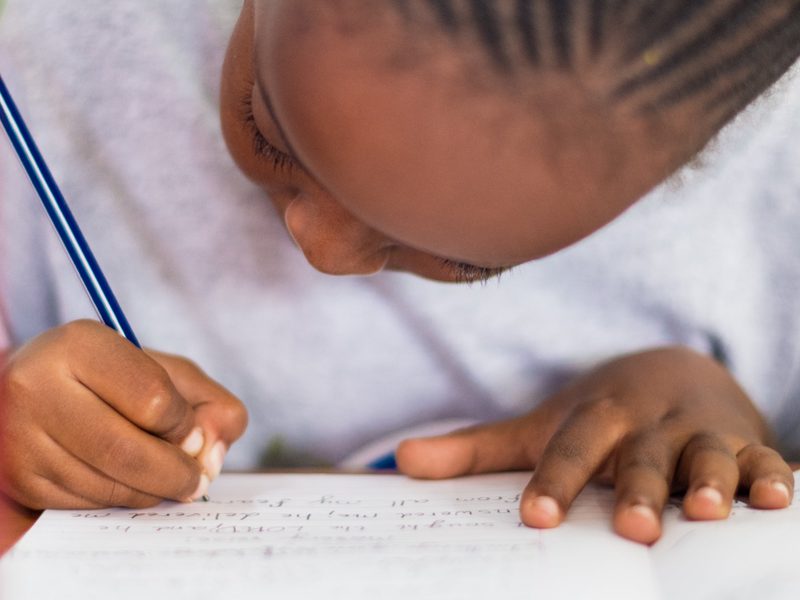
Early language and literacy
Structured support for children building language and reading, shaped around how each child communicates rather than around a single method. It can start very young, as soon as a child is identified and found eligible.
-

Speech therapy support
Building and preserving clear speech for children with partial hearing, alongside audiology assessment through our clinical partners.
-

Family support and wellbeing
Educational psychology, therapy referrals, and mental health and wellbeing support for children with additional needs and the people raising them. Parents get a plain explanation of what is happening and what the options are.
-

Talents and vocational skills
For older students: finding what a young person is good at, developing it seriously, and helping them sell it or find work with it. For many this leads straight into the art program.
-
Getting to school
Help arranging home-to-school transport and school placement, including admissions, children who have fallen behind, and families choosing to educate at home.
Why the early years matter so much
A child who cannot fully access language in their first years starts school behind, and the gap tends to widen rather than close. The fix is not complicated: early identification, the right access in the classroom, and adults around the child who know what they are doing.
Between two and three of every 1,000 children in the United States are born with a detectable level of hearing loss, and more than nine in ten deaf children are born to hearing parents. Most families are learning alongside their child, which is why we work with the whole household rather than the child alone.
Source: National Institute on Deafness and Other Communication Disorders.
Equity, not just equality
Giving every student the same thing is not the same as giving every student what they need. A laptop is useless without internet at home. A classroom discussion is useless without a way into it. We plan around each child's actual circumstances.